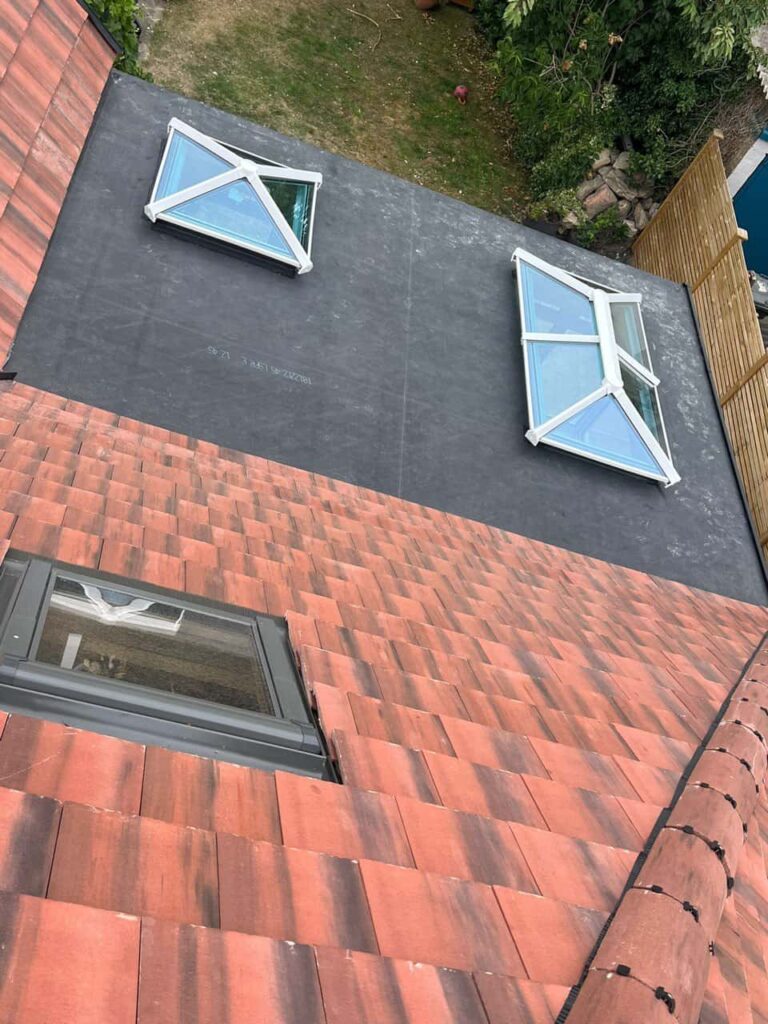
Flat roofs are commonly used on extensions, garages and other parts of residential and commercial properties. Although they provide a practical roofing solution, their performance depends on an intact waterproof covering and effective drainage. When either becomes compromised, rainwater can find its way into the building, potentially damaging ceilings, insulation and internal surfaces.
For property owners in South Wigston, Leicestershire, identifying the cause of a flat roof leak early can help prevent a minor defect from developing into a more extensive problem. South Wigston Roofing Repairs provides professional roofing services to help locate leaks, assess damage and determine the most appropriate repair solution.
What Causes Flat Roof Leaks?
Flat roof leaks can develop for several reasons, and the visible signs inside a property do not always reveal where the water is entering. A thorough inspection is important to identify the source rather than simply treating the area where dampness appears.
Damaged or Deteriorating Roof Coverings
Flat roofs may use materials such as felt, EPDM rubber or other waterproof membranes. Over time, exposure to sunlight, temperature changes and weather can cause some coverings to deteriorate.
Cracks, splits, punctures or worn areas can allow rainwater to pass through the waterproof layer. Damage may also occur if tools, debris or foot traffic affect the surface.
The appropriate repair depends on the roofing material and the extent of the damage. A small, isolated defect may be suitable for a localised repair, while widespread deterioration may require a more extensive solution.
Failed Seams and Roof Joints
Many flat roofing systems contain seams, overlaps and joints that help create a continuous waterproof barrier. If these connections become loose, split or poorly sealed, water can enter beneath the covering.
Roof edges, upstands and junctions with walls are particularly important because they must direct water away from vulnerable areas. Repairs should restore the integrity of these details and address the reason the joint has failed.
Simply applying sealant over the visible gap may not provide a lasting result if the underlying material has deteriorated or the joint has been incorrectly formed.
Blocked Drainage and Standing Water
Although flat roofs appear level, they should be designed with suitable falls to direct rainwater towards drainage outlets. Blocked outlets, accumulated debris or inadequate drainage can cause water to remain on the surface for extended periods.
Persistent standing water places additional demands on the roofing system and can expose weak seams or damaged sections to prolonged moisture. If ponding occurs regularly, the drainage arrangements should be assessed rather than relying solely on patching the roof covering.
Keeping accessible gutters and outlets clear of leaves and debris can help maintain water flow, but recurring drainage problems may require professional attention.
Damaged Flashing Around Roof Junctions
Flashing protects vulnerable areas where the roof meets walls, chimneys and other structures. If the flashing cracks, lifts or becomes detached, rainwater can enter through the junction even when the main roof covering appears intact.
Leaks around these areas may be mistaken for a general failure of the flat roof. An inspection should therefore include the perimeter, adjoining masonry and other roof details to establish the actual source of the problem.
Poor Previous Repairs
A previous repair may fail if it used unsuitable materials, did not prepare the surface correctly or covered only the visible symptom. Water can continue to enter through the original defect or find another route beneath the roofing layers.
Before carrying out further work, a roofer should assess the existing repair and determine whether the underlying issue has been resolved.
Warning Signs of a Flat Roof Leak
Recognising the early signs of water ingress can help you arrange repairs before the damage spreads. Common indicators include:
- Brown or yellow stains on ceilings and upper walls.
- Peeling paint, bubbling plaster or damp patches.
- Dripping water during or after rainfall.
- Persistent musty smells or damp insulation in the roof space.
- Visible splits, lifted edges or damaged areas on the roof covering.
Water can travel along roof timbers and other building materials before becoming visible indoors, so the location of a ceiling stain may not correspond directly with the leak. If you notice these symptoms, a professional inspection can help pinpoint the source.
Effective Flat Roof Leak Repair Solutions
The most suitable repair depends on the roofing material, the location of the leak and the condition of the surrounding surface.
For isolated damage, a roofer may be able to repair a small split or puncture using a method compatible with the existing roofing system. Where seams or flashing have failed, the affected joints may need to be resealed, secured or renewed.
If water is collecting because of blocked drainage, clearing the obstruction may help restore flow. However, persistent ponding caused by inadequate falls or other underlying issues may require additional corrective work.
Where the waterproof covering has deteriorated across a large area, patching individual defects may no longer be a reliable long-term solution. In these circumstances, a professional assessment can establish whether more extensive repairs or a new roof covering would be appropriate.
The priority is to address both the visible damage and its underlying cause, helping reduce the likelihood of recurring leaks.
How to Reduce the Risk of Future Flat Roof Leaks
Routine maintenance can help identify problems before they lead to internal water damage. Property owners should arrange periodic inspections and pay particular attention to drainage, roof edges, seams and flashing.
Keep accessible gutters and outlets free from leaves and debris, and arrange an inspection if water remains on the roof for extended periods. After severe weather, look for visible damage from a safe position rather than climbing onto the roof.
Avoid applying random sealants or walking across a damaged covering, as unsuitable products and unnecessary foot traffic can make the problem worse. If a leak develops, prompt professional attention can help limit further deterioration.
Professional Flat Roof Repairs in South Wigston, Leicestershire
Finding the source of a flat roof leak can be challenging, particularly when water travels beneath the covering before appearing inside the property. Correct diagnosis helps ensure that repairs address the actual fault rather than providing only temporary relief.
South Wigston Roofing Repairs helps property owners in South Wigston, Leicestershire, assess flat roof problems and identify suitable repair options. Whether you have noticed damp patches, damaged felt or recurring standing water, professional advice can help determine the next steps.
If you suspect your flat roof is leaking, contact South Wigston Roofing Repairs to discuss the problem and arrange a professional assessment.
Conclusion
Flat roof leaks can result from damaged coverings, failed seams, defective flashing, drainage issues or unsuccessful previous repairs. Identifying the cause early and choosing a suitable repair can help protect the building from further moisture damage and maintain the roof’s performance.
For property owners in South Wigston, Leicestershire, regular maintenance and timely professional attention are practical ways to manage flat roof problems. South Wigston Roofing Repairs can help assess the damage and recommend an appropriate solution for your roof.
Call us on: 0116 464 7498
Click here to find out more about Wigston Roofing Repairs
Click here to complete our contact form and see how we can help with your roofing needs.